














OpenClaw Skills:
Supercharge Your OpenClaw
Unlock limitless potential ▌
Browse 200+ OpenClaw Skills from the community marketplace. Start with the OpenClaw CLI install guide and the ClawHub Marketplace to discover, verify, and install OpenClaw Skills that fit your workflows. OpenClaw Skills keep automation local, fast, and reliable for every task.
OpenClaw Skills Directory
Empowering your OpenClaw ecosystem with community-driven modules.
What are OpenClaw Skills?
OpenClaw Skills are local automation modules that extend your AI gateway with real actions. They let you run tools, access files, and connect APIs safely on your machine. OpenClaw Skills are versioned, permissioned, and composable, so workflows stay fast and auditable. OpenClaw was previously known as Clawbot and Moltbot, so you may see those names in older tutorials.
Real-time Performance
OpenClaw Skills execute locally, so responses feel instant even when workflows touch files and APIs. Low latency makes OpenClaw Skills ideal for interactive agents and real-time automation.
Structured Interfaces
Each OpenClaw Skills package ships with a clear interface, inputs, and outputs. This structure makes OpenClaw Skills easy to compose, test, and audit across teams.
Hot Swappable
Versioned releases let OpenClaw Skills roll forward or back without breaking pipelines. Swap OpenClaw Skills in minutes while keeping approvals and permissions intact.
Why OpenClaw Skills Feel Different
Experience the advantage of local execution and structured skill interfaces. OpenClaw Skills keep automation fast, predictable, and safe.
Lightning Fast
Local execution paths reduce latency and keep OpenClaw Skills responsive when tasks spike.
Precision Control
Structured interfaces make OpenClaw Skills predictable and auditable, even in complex workflows.
Smart Compose
Compose multiple OpenClaw Skills to blend data, actions, and context into reliable automations.
OpenClaw Skills vs Cloud-Only LLMs
See how OpenClaw Skills deliver real automation power beyond simple chat responses.
Traditional LLMs
- ✕Cloud-only execution with network dependency
- ✕Limited to text responses, no real actions
- ✕Rate limits and unpredictable latency
- ✕No local file system access
OpenClaw Skills
RECOMMENDED- ✓Local execution with zero latency
- ✓Execute real actions: APIs, files, commands
- ✓Versioned skills with safe rollbacks
- ✓Full local file system and tool access
What Can You Build?
Real workflows built with OpenClaw Skills by the community.

Incident Response
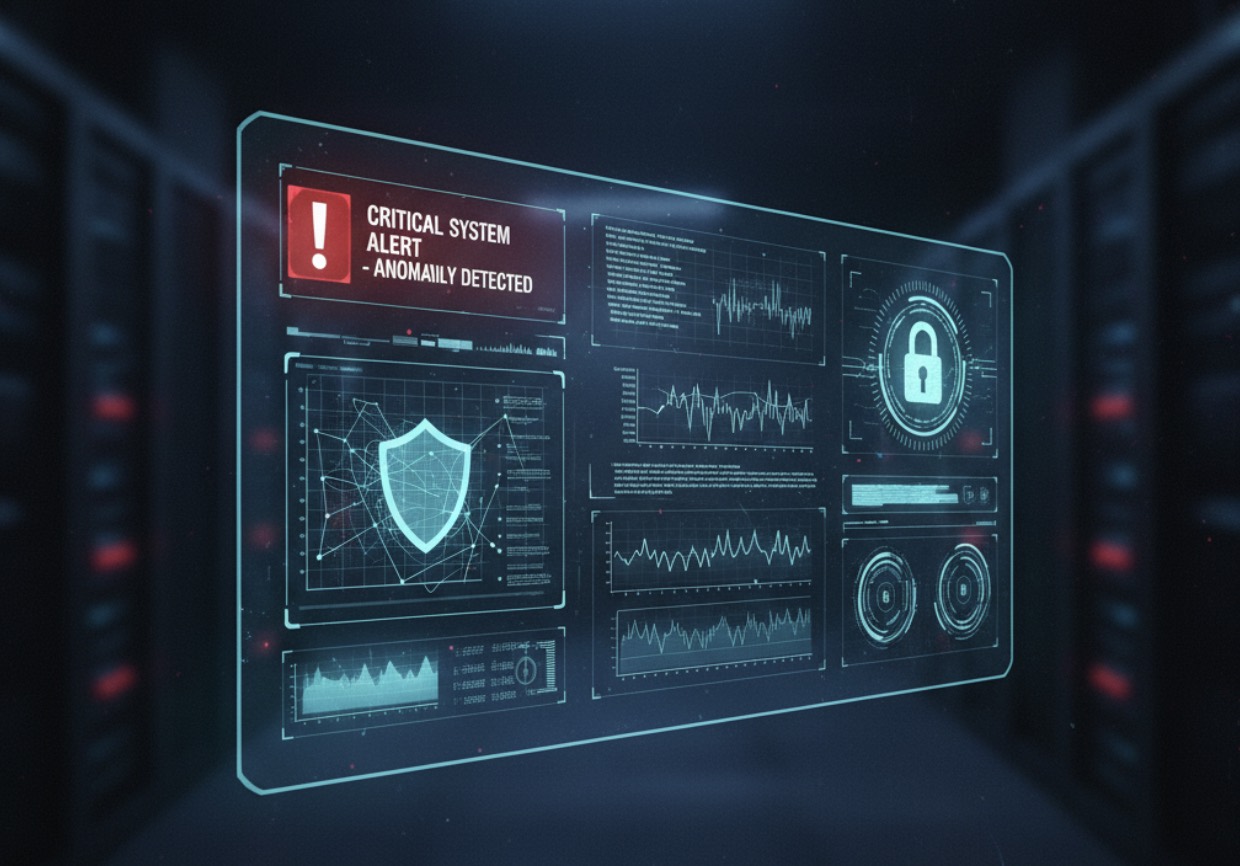
Automated log parsing and anomaly detection. Triggers alerts and opens issues automatically.

Daily Briefing
Aggregates emails, calendar events, and tasks into a concise morning summary.

GA4 Reporting
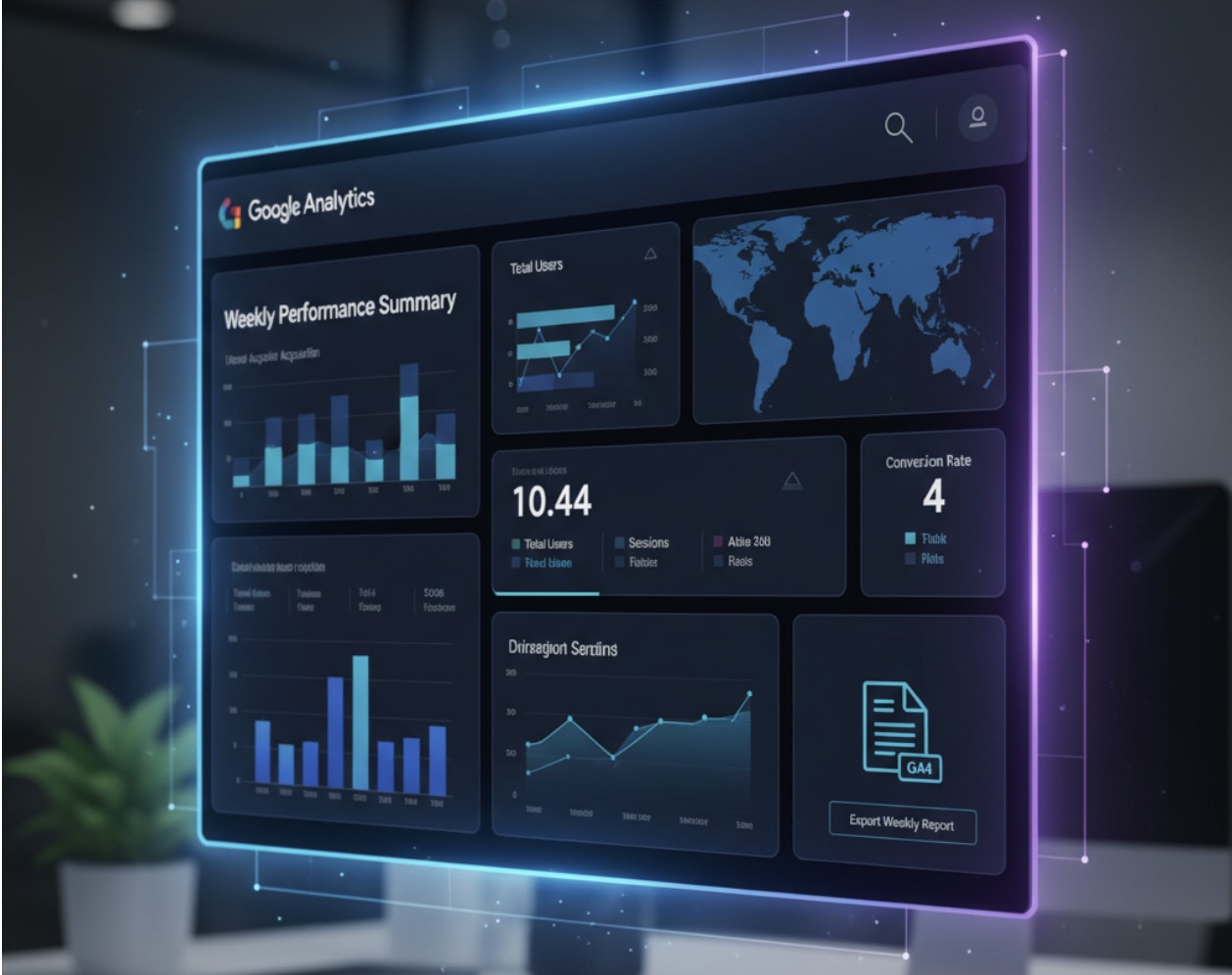
Direct integration with Google Analytics 4 to generate and ship weekly PDF reports.
How OpenClaw Skills Work End-to-End
OpenClaw Skills are designed for real work, not just demos. This deep dive explains how OpenClaw Skills are discovered, approved, installed, composed, and observed across personal and team environments.

Discovery, permissions, and trust
OpenClaw Skills start in the directory, but they quickly become part of daily workflows. Each OpenClaw Skills entry ships with metadata, documentation, and a permission manifest that shows exactly what actions can run. That clarity reduces risk and makes OpenClaw Skills easier to approve. You can register, review code in a private repo, and enforce checks before any OpenClaw Skills execute.

Composition, versioning, and observability
OpenClaw Skills are composable. You can chain OpenClaw Skills as one tool gathers data, another transforms it, and a third publishes results. This approach keeps each skill small, testable, and reusable. Versioned releases allow rollback when a dependency changes, and tags make it clear which OpenClaw Skills are stable or experimental. Teams can set policies that only allow signed or reviewed skills in an automation stack that scales from personal workflows to enterprise pipelines.

OpenClaw Skills Setup Checklist
OpenClaw Skills setup starts with installing the CLI, setting a local skills directory, and adding your first package. OpenClaw Skills work best when you document inputs and outputs.

OpenClaw Skills for Teams
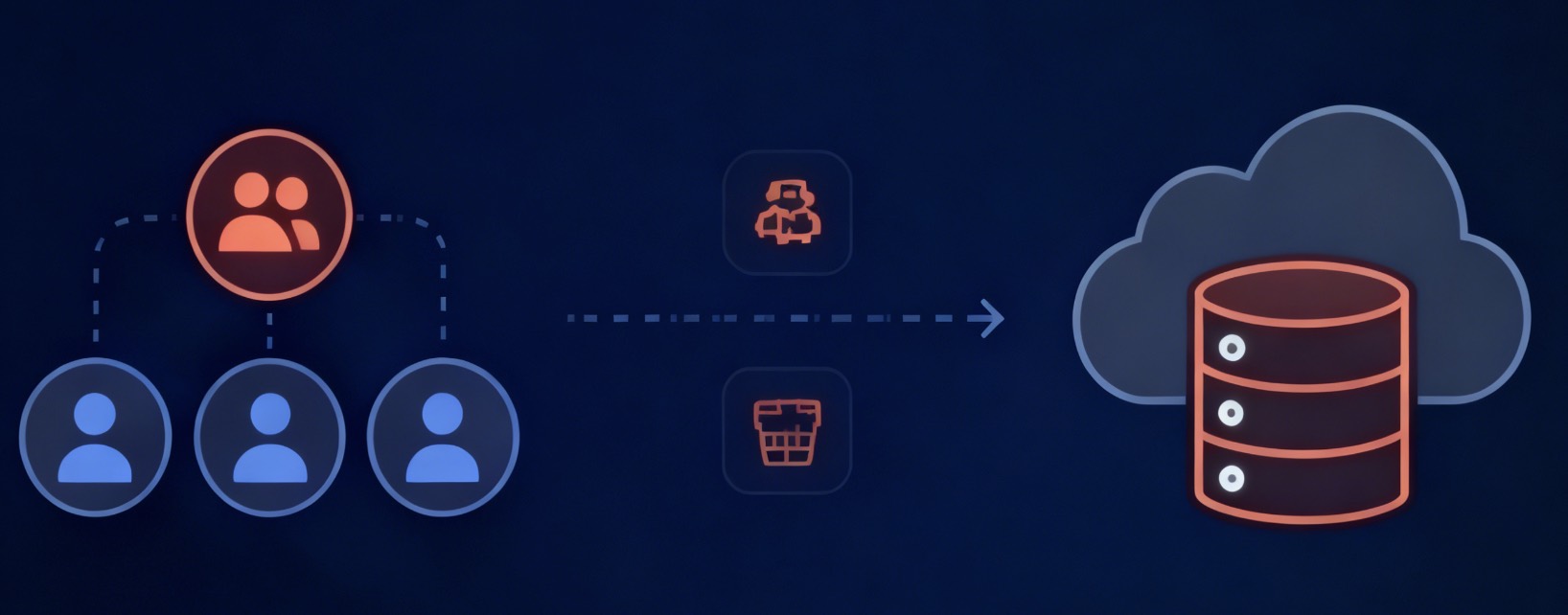
Teams can create a private registry to curate OpenClaw Skills for internal use. Pair that registry with code review and CI tests so every OpenClaw Skills release meets quality interface and logging conventions.

OpenClaw Skills Reliability
Reliable automation depends on predictable behavior. OpenClaw Skills prioritize deterministic inputs, safe defaults, and explicit permissions to reduce surprises. If an external API fails, OpenClaw Skills can retry, fall back, or exit gracefully with actionable logs so operators can remediate fast.
OpenClaw Skills Installation & Governance
OpenClaw Skills should be easy to install, easy to audit, and easy to roll back. Use this governance flow to keep OpenClaw Skills safe in production while moving fast in development.
- Install the CLI. Use the OpenClaw CLI install guide and verify your environment variables, then create a dedicated folder for OpenClaw Skills so dependencies stay isolated.
- Choose trusted sources. Pull OpenClaw Skills from the ClawHub Marketplace or a private registry, and record the source so you always know where each OpenClaw Skills package originated.
- Review permissions. OpenClaw Skills declare file, network, and command access. Approve only what a skill needs, and reject OpenClaw Skills that request unnecessary scope.
- Test and pin versions. Run OpenClaw Skills in a staging workspace, capture logs, and pin a version that passes your checks. This ensures OpenClaw Skills behave the same in production.
- Publish runbooks. Document how OpenClaw Skills are triggered, what inputs they expect, and how to roll back. Clear runbooks keep OpenClaw Skills safe for every operator.
If you are building your own OpenClaw Skills, start with the skills authoring guide and the permissions reference. Those docs show how OpenClaw Skills define interfaces, validate inputs, and emit structured outputs that are easy to integrate and audit.
What People Say
Swipe to view more
“I got up and running today with @openclaw and it has been nothing short of an iPhone moment for me. Thanks for creating the first true local agent stack...”
“Everything Siri was supposed to be, and then some. I chained three skills and shipped a workflow in a weekend. It just clicked.”
“OpenClaw feels like hiring a junior ops teammate. It labels, routes, and drafts updates before I even open my laptop.”
“Our on-call runbook is now an OpenClaw skill. It pings, triages, and posts a summary in Slack with zero drama.”
“We use OpenClaw to standardize client updates. It drafts, reviews, and pushes a clean weekly status in under 2 minutes.”
“I built a research assistant that tracks papers and writes digests. It feels like a tailored tool, not a chatbot.”
“I got up and running today with @openclaw and it has been nothing short of an iPhone moment for me. Thanks for creating the first true local agent stack...”
“Everything Siri was supposed to be, and then some. I chained three skills and shipped a workflow in a weekend. It just clicked.”
“OpenClaw feels like hiring a junior ops teammate. It labels, routes, and drafts updates before I even open my laptop.”
“Our on-call runbook is now an OpenClaw skill. It pings, triages, and posts a summary in Slack with zero drama.”
“We use OpenClaw to standardize client updates. It drafts, reviews, and pushes a clean weekly status in under 2 minutes.”
“I built a research assistant that tracks papers and writes digests. It feels like a tailored tool, not a chatbot.”
“The future of how AI personal assistants look like is @openclaw. Has already help me submit health reimbursements, find doctor...”
“I moved my support triage from a messy inbox into OpenClaw in a day. The permission view made approval painless for my team.”
“I wired in calendar + CRM skills and my weekly review now takes 15 minutes. This is the first AI tooling I trust daily.”
“I finally stopped copy‑pasting between Notion and Linear. The skills pipeline keeps everything in sync automatically.”
“The permissions panel made security happy. We approved the workflow in one meeting instead of three.”
“Our sales team uses OpenClaw to prep calls. It pulls CRM context and drafts next steps before the meeting starts.”
“The future of how AI personal assistants look like is @openclaw. Has already help me submit health reimbursements, find doctor...”
“I moved my support triage from a messy inbox into OpenClaw in a day. The permission view made approval painless for my team.”
“I wired in calendar + CRM skills and my weekly review now takes 15 minutes. This is the first AI tooling I trust daily.”
“I finally stopped copy‑pasting between Notion and Linear. The skills pipeline keeps everything in sync automatically.”
“The permissions panel made security happy. We approved the workflow in one meeting instead of three.”
“Our sales team uses OpenClaw to prep calls. It pulls CRM context and drafts next steps before the meeting starts.”
Get Started in Minutes
Install the CLI and bootstrap OpenClaw Skills on your machine. Skill installs are fast, and updates are safe.
1. Install CLI
Download OpenClaw CLI to unlock powerful OpenClaw Skills on your system with one-line installer for macOS/Linux
2. Find Skills
Explore 200+ community-built OpenClaw Skills for automation, AI integration, workflow optimization, and productivity
3. Install
Install any OpenClaw Skills instantly with a single command. Safe, fast, and hassle-free automation deployment
4. Run
Launch your OpenClaw Skills and start automating tasks immediately. Transform your workflow with AI-powered skills
Safety First
Skills can execute real actions. Treat any third-party skill like executable code and review it before you run it.
Review Source
Check the skill source code on GitHub before installing. Look for suspicious network calls.
Check Permissions
Skills must declare permissions. Deny skills requesting excessive access.
Use Isolation
Run untrusted skills in Docker sandbox, not on bare metal.
Common Questions
Everything you need to know about OpenClaw Skills.
Is OpenClaw the same as Clawbot or Moltbot?
Yes. OpenClaw is the current name; Clawbot and Moltbot were earlier names. Older posts may still reference Clawbot or Moltbot, but they point to the same OpenClaw Skills platform today.
Where are OpenClaw Skills stored?
Skills can load from bundled defaults, your local ~/.openclaw/skills folder, and a /skills directory in the current workspace. Workspace skills override local, and local overrides bundled.
How do I install a skill from ClawHub?
Use clawhub install <skill-name> to install from the registry. This pulls the skill into your local catalog.
clawhub install <skill-name>How do I update or remove a skill?
Use clawhub update <skill-name> to update, and clawhub remove <skill-name> to uninstall.
clawhub update <skill-name>clawhub remove <skill-name>Can I publish my own OpenClaw Skills?
Yes. Create a skill folder with SKILL.md and publish it with clawhub publish so others can install it from the registry.
clawhub publishHow does precedence work when multiple skills share a name?
The workspace /skills directory takes precedence over ~/.openclaw/skills, which takes precedence over bundled skills.
How do I trust or review a skill before running it?
Review the SKILL.md file and source code, then manage trust with clawhub trust. Treat third-party skills like executable code.
clawhub trustReady to Automate?
Join thousands of developers building with OpenClaw Skills. Install your first skill in under 60 seconds.